
The Real Difference Between Wheel-Lift and Flatbed Towing (And When It Matters)
Watch the tow trucks working the Kansas City metro and you will see two very different machines. One slides a metal yoke under a car’s wheels and tips it up; the other lowers a full flat deck to the ground and pulls the whole vehicle aboard. Both get a car moving, but they are not interchangeable, and knowing the difference can spare your vehicle unnecessary wear. The right choice depends on what you drive and what has gone wrong.
How Wheel-Lift Towing Works
A wheel-lift truck uses a hydraulic arm that cradles two of the vehicle’s tires, either front or rear, and lifts that end off the ground. The opposite two wheels stay on the pavement and roll along behind. It is a lighter, more maneuverable setup than a flatbed, which lets the driver reach into tight spots, hook quickly, and work around obstacles. For short moves of ordinary front-wheel-drive cars it is fast and effective, and the compact design squeezes into places a larger truck simply cannot.
How Flatbed Towing Works
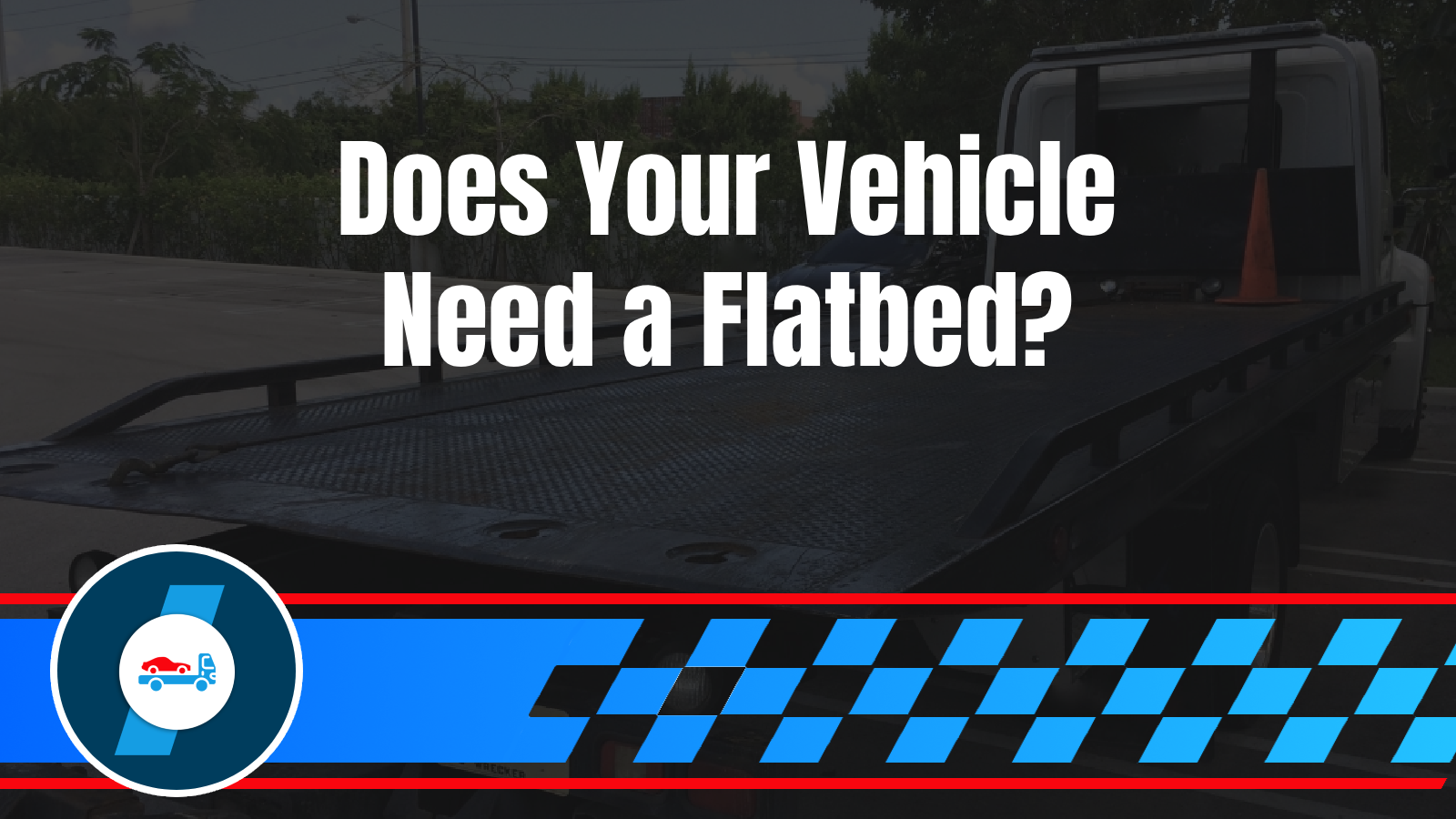
A flatbed, also called a rollback, carries an entire hydraulic bed that tilts and slides down to street level. The vehicle is winched or driven onto the deck, then the whole platform levels off with all four wheels resting on it. Nothing drags on the road, and the car rides completely supported. That full support is the flatbed’s defining advantage, and it is why the rollback has become the default for anything delicate, damaged, or expensive.
The Key Differences That Matter
- A wheel-lift leaves two wheels rolling on the road; a flatbed lifts all four off it
- Wheel-lifts are lighter and more nimble in tight spaces
- Flatbeds fully support the vehicle with zero drivetrain drag
- Low, damaged, or all-wheel-drive vehicles usually require a flatbed
- Wheel-lifts often cost less for a simple, short local move
When Wheel-Lift Is the Right Call
There are plenty of situations where a wheel-lift is the smart, economical choice. A standard front-wheel-drive commuter that needs a short hop to a nearby Overland Park shop, a car wedged so tightly that a rollback cannot get an angle, or a quick relocation across a lot are all natural fits. Because the truck is compact and quick to hook, it can also be the faster option when the vehicle is basic and the distance is short. There is no reason to send heavier equipment for a simple job.
When You Need a Flatbed
Certain vehicles and conditions all but demand a flatbed. All-wheel-drive and four-wheel-drive cars can suffer driveline damage if two wheels turn while the others do not, so they belong on a deck. Low-slung sports cars, lowered vehicles, classics, and electric cars also ride best fully loaded. And any car that is wrecked, has a broken axle, or will not roll needs the complete support only a flatbed provides. When there is any doubt, the flatbed is the safe answer.
What About Damage and Cost?
Cost often decides the question for a routine job, and a wheel-lift can be the more economical pick for a short, simple move. But the cheaper hook is a false savings if it risks your drivetrain, so the smarter comparison weighs price against what your specific vehicle can tolerate. A reputable operator will tell you honestly when a flatbed is necessary and when a wheel-lift will do, rather than defaulting to whatever truck happens to be closest.
How Kansas City Conditions Factor In
Local roads and weather tip the scale, too. A long run down I-70 or I-35 favors a flatbed, since hours of rolling on two wheels adds wear a full load avoids. Winter ice makes loading a low car onto an angled deck trickier, and a skilled operator adjusts the approach accordingly. For a two-block move on a dry day a wheel-lift may be perfectly fine, but distance, speed, and rough road conditions all push toward the deck.
Not sure which tow your vehicle needs anywhere in the Kansas City metro? Call Kansas Towing at (816) 608-4886 and we will match the right truck to the job. Learn about our flatbed towing, our breakdown towing, and our 24-hour towing.


