
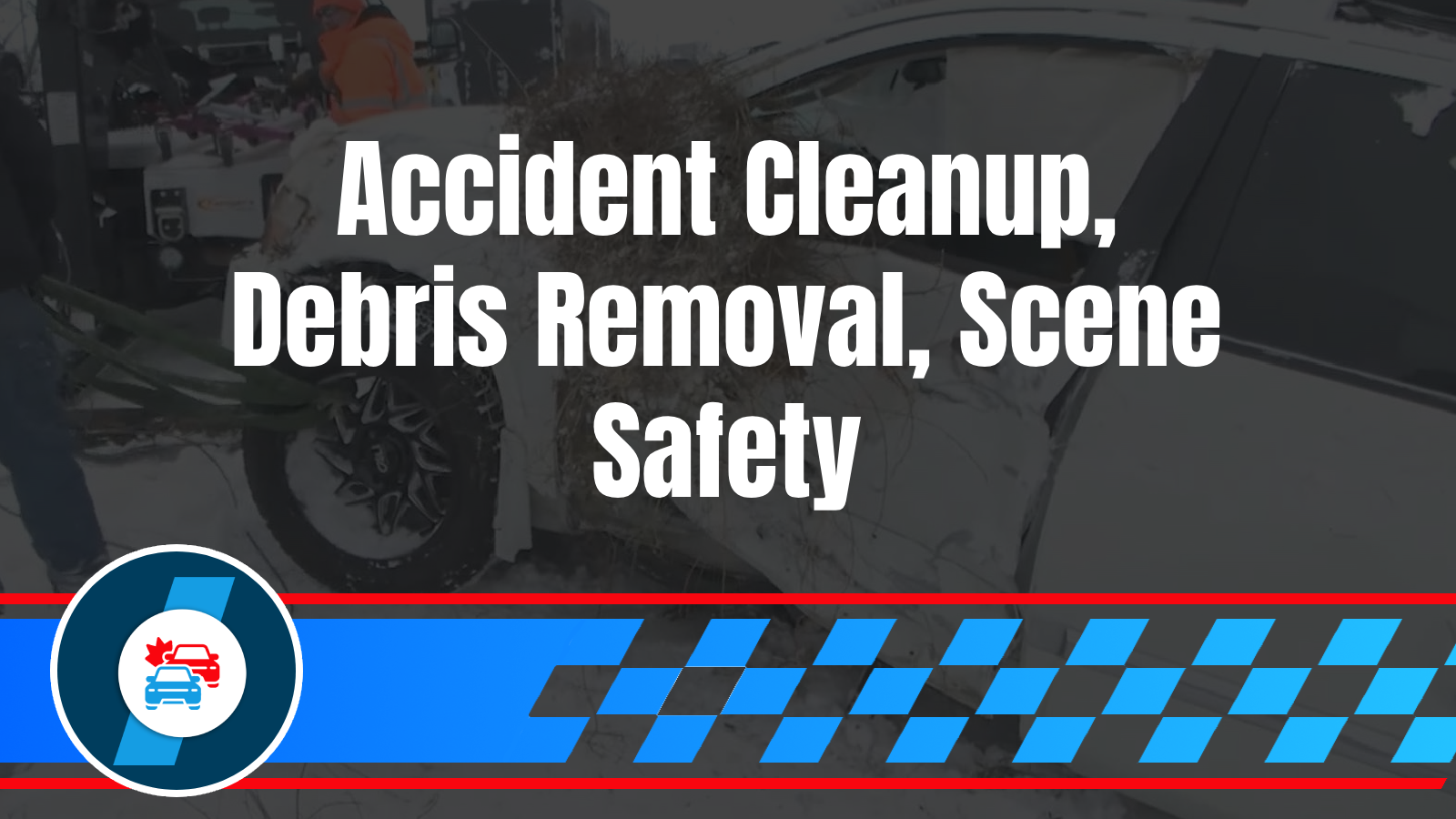
The Hidden Steps Accident Towing Companies Handle: Scene Safety, Debris Removal, and Documentation
An accident scene is chaos, and the tow truck that arrives is doing far more than dragging a damaged car onto a deck. Behind the visible work of loading a wreck sits a series of steps most drivers never notice: making the scene safe, clearing the road, and documenting what happened. For Kansas City drivers, understanding everything accident towing involves shows why it is a specialized job, not a simple haul.
More Than Just Hauling a Wreck
When people picture accident towing, they imagine a smashed car winched onto a truck and driven away. That final step is only a fraction of the work. A collision leaves behind hazards, debris, and a stressful situation that has to be managed carefully. A professional accident-towing operator arrives ready to handle the whole scene, coordinating with everyone present and thinking about safety, traffic, and the details that matter after the tow is done. The loading is the easy part.
Securing the Scene Safely
The first priority at any crash is safety, and a disabled vehicle on a busy road like I-435 or I-35 is a serious hazard. Before anything is loaded, the operator positions the truck to protect the work area, sets out warning devices, and manages the flow of traffic around the scene. A wrecked car sitting in a live lane endangers everyone, so getting it stabilized and shielded, then moved clear as quickly as safety allows, is the crucial first step of the job.
Clearing Debris From the Roadway
Collisions scatter broken glass, plastic, metal, and fluids across the pavement, and that debris is a danger to every vehicle that follows. Part of a thorough accident tow is sweeping up and removing the wreckage from the roadway, not just the car itself. Leaving a field of debris behind invites more flat tires and further accidents. Clearing it is a genuine service to the whole road, and a responsible operator treats it as part of the job rather than someone else’s problem.
Documentation That Matters Later
After a crash, the details fade fast, and good documentation helps. A careful operator records the condition and position of the vehicle, notes the location, and often photographs the scene, information that can prove useful when you deal with your insurance company afterward. This record of where the car was, how it was recovered, and its state when towed adds a layer of clarity to a confusing event. It is a quiet step that can matter a great deal in the days that follow.
Working With First Responders
Serious accidents bring police, and sometimes fire and medical crews, and the tow operator has to work within that environment. That means waiting for clearance, following the directions of officers on scene, and coordinating the removal so it does not interfere with the response. An experienced operator knows how to fit into this picture smoothly, doing their part without adding to the confusion. That cooperation keeps the scene moving and the road reopening as fast as possible.
What Accident Towing Includes
- Positioning to protect the scene and manage traffic
- Safe recovery of a damaged, possibly immobile vehicle
- Removal of glass, debris, and spilled fluids from the road
- Documentation of the vehicle’s condition and location
- Coordination with police and other first responders
Accident Response Across the Kansas City Metro
Crashes happen everywhere, from downtown intersections to the interstates threading through Overland Park and Olathe, and Kansas weather can make them more frequent when ice or heavy rain moves in. Fast, capable accident towing gets damaged vehicles off the road, restores safety, and helps you begin sorting out the aftermath. When the unexpected happens, having a professional handle the full scene, not just the car, makes a hard day a little easier.
Been in a collision in the Kansas City metro? Once everyone is safe, call Kansas Towing at (816) 608-4886 for careful accident towing. Learn about our accident towing, how insurance towing works, and our 24-hour towing.


