Accident Damage and Flatbed Towing: Preventing Secondary Damage During Transport
After a collision in the Kansas City metro, your vehicle is already hurt, and the last thing you want is for it to pick up more damage on the way to the body shop. Yet an improper tow can do exactly that, turning a repairable car into a bigger loss. This is where flatbed towing earns its reputation. Here is how the right transport prevents secondary damage to an accident-damaged vehicle.
Why a Wrecked Car Is Fragile in Transit
A car that has been in a crash is not the sturdy machine it was that morning. Crumpled body panels, a bent frame, cracked suspension components, and loose or hanging parts all change how it can be handled. Something that would shrug off a normal tow, a wheel, a control arm, a bumper, may now be compromised and prone to failing if it is loaded the wrong way.
Because that damage is not always visible, an experienced operator assumes the worst and handles every collision vehicle as if hidden weaknesses are waiting to give out under load.
Secondary Damage: The Hidden Risk
Secondary damage is any harm that happens after the accident itself, often during a careless recovery or tow. Dragging a car with a seized wheel can grind the tire flat or bend the hub. Fluids leaking from a cracked case can spread. A hanging bumper can catch and tear away. None of this came from the crash, but it all adds to the repair bill and can complicate your insurance claim.
Why Flatbeds Are the Standard for Collisions
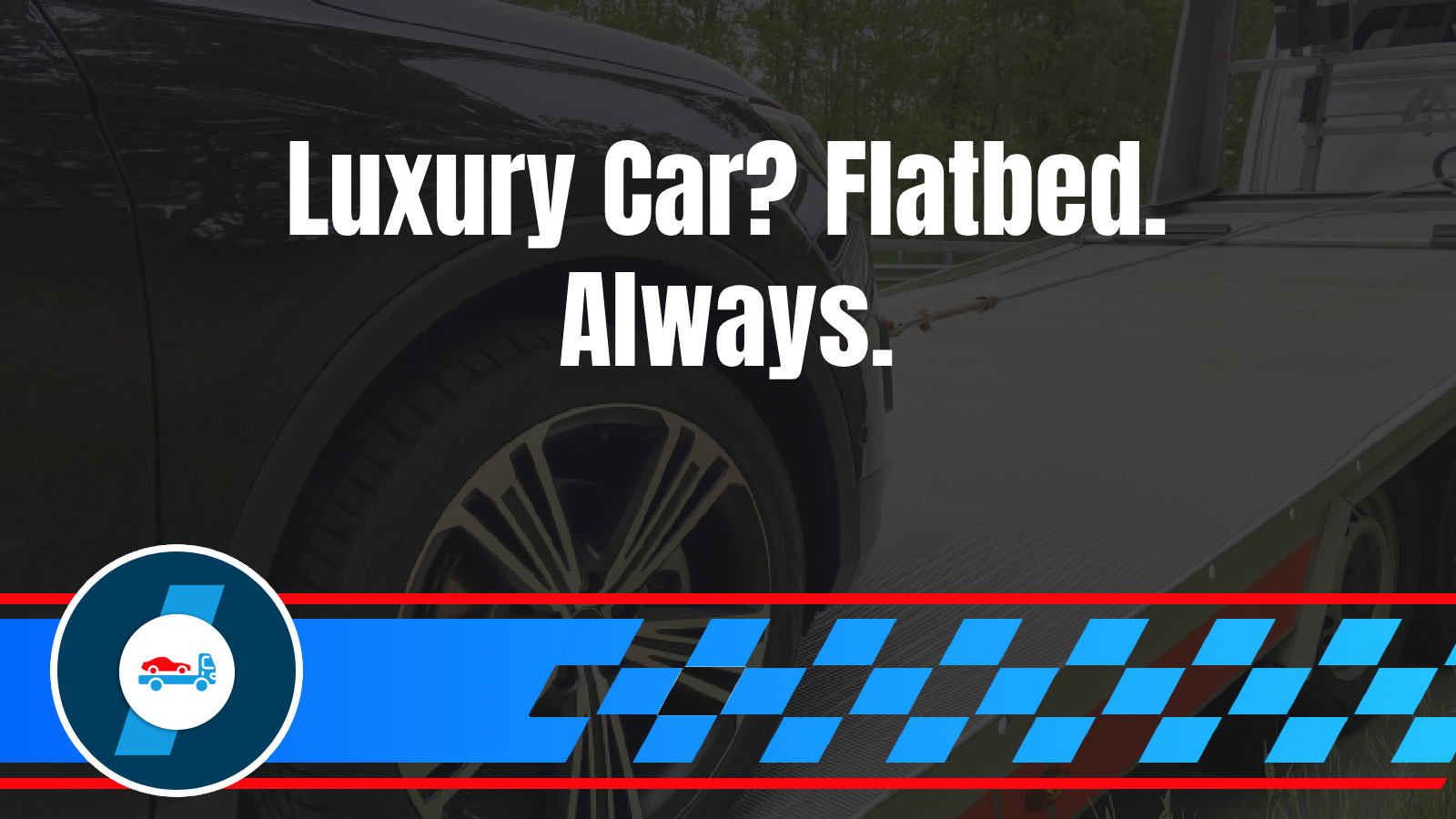
A flatbed lifts the entire vehicle onto a level deck, so nothing has to roll, pivot, or bear weight it can no longer handle. For a damaged car, that is exactly what is needed. There is no forcing a bent wheel to turn and no stress on a suspension that may already be broken. The car is simply carried, intact, from the scene to the shop.
Securing a Damaged Vehicle Safely
Loading a wrecked car takes more care than loading a healthy one. A skilled operator adapts the process to the damage in front of them.
- Choosing tie-down points that are still structurally sound.
- Using a winch to gently pull a non-rolling car onto the deck.
- Securing loose panels and parts before moving.
- Containing drips from leaking fluids where possible.
Protecting the Evidence for Your Claim
Your damaged vehicle is also documentation. Insurers and, in some cases, investigators may need to examine it in its post-crash condition. A careful flatbed tow preserves that state, while a rough tow that adds fresh scrapes and bends can muddy the picture of what the collision actually caused. Keeping the damage clean and consistent protects your claim and your payout.
What to Do at the Scene
While you wait for the flatbed, a few steps make the tow safer and smoother. Move to a safe location away from traffic, turn on your hazard lights, and photograph the vehicle from several angles for your records. Let the operator know about anything you noticed, fluids on the ground, a wheel that will not turn, or a door that will not close, so they can plan the loadout before they begin.
Kansas City Crash Scenes
Collisions around the metro happen in tough spots, on the shoulders of I-435 and I-70, at busy intersections in Overland Park and Olathe, and on icy winter roads where a single spin can involve several cars. Each scene calls for a calm, methodical loadout that gets your vehicle off the road quickly without adding to the damage already done.
Been in a collision anywhere in the Kansas City metro? Protect your car from further harm with a proper flatbed tow. Call Kansas Towing at (816) 608-4886. Learn about our accident towing, damage-free flatbed towing, and insurance towing support.